
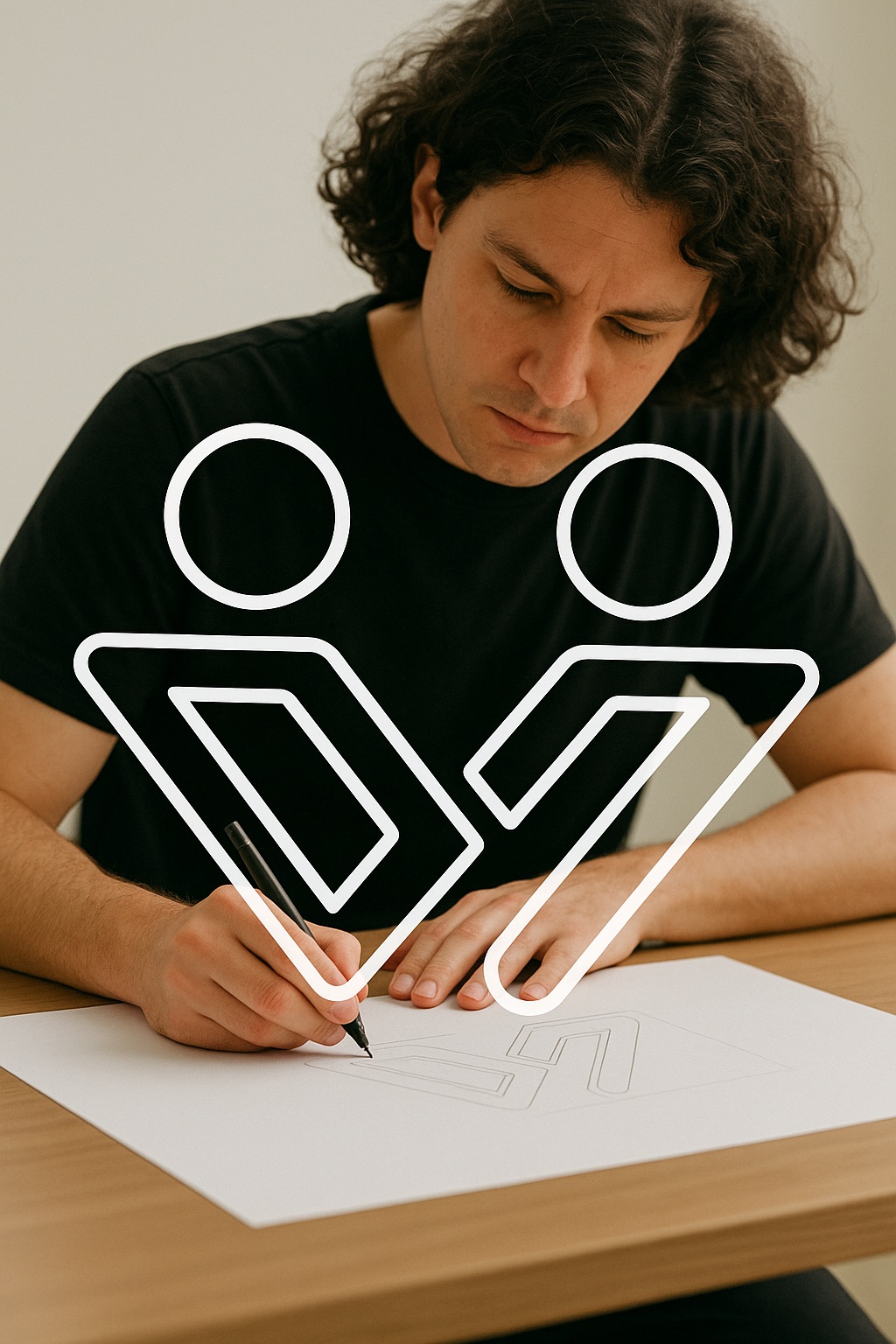
From Brief to Delivery: The Complete Visual Identity Designer Project Lifecycle

The harsh reality: 68% of brand identity projects fail to meet client expectations, go over budget, or exceed deadlines. Not because designers lack talent, but because they lack a structured workflow. The difference between a chaotic, stressful project and a smooth, profitable one? A proven project lifecycle system.
Every visual identity designer faces the same challenge: turning a client's abstract vision into a concrete brand system while managing expectations, deadlines, and revisions. Without a clear roadmap, projects spiral into endless revision loops, scope creep drains profitability, and client relationships suffer from miscommunication.
This comprehensive guide reveals the exact 7-stage workflow used by successful brand identity designers worldwide. From the moment a client says "I need a logo" to the final delivery of a complete brand system, you'll discover the strategic process, timelines, templates, and best practices that transform amateur designers into sought-after brand strategists.
What You'll Learn in This Guide:
- The 7 proven stages of visual identity project management
- Realistic timelines for each phase (6-8 week total project duration)
- Design brief templates and client questionnaires that prevent scope creep
- Concept presentation strategies that get "yes" more often
- Revision management techniques that maintain profitability
- Brand guidelines structure for professional delivery
- Pricing strategies for each project phase
- Client communication scripts for every milestone
Table of Contents
- Why Project Lifecycle Matters for Visual Identity Designers
- Stage 1: Discovery & Design Brief (3-5 Days)
- Stage 2: Research & Strategy (5-7 Days)
- Stage 3: Concept Development (7-10 Days)
- Stage 4: Design Execution (10-14 Days)
- Stage 5: Revisions & Refinement (5-7 Days)
- Stage 6: Brand Guidelines Creation (5-7 Days)
- Stage 7: Final Delivery (2-3 Days)
- Common Challenges & Solutions
- Frequently Asked Questions
1. Why Project Lifecycle Matters for Visual Identity Designers
A structured project lifecycle is the difference between profitable, smooth projects and chaotic nightmares that drain your time and energy. Here's what research shows about designers who follow systematic workflows versus those who wing it:
Designers with Structured Workflows
- 87% deliver on time or ahead of schedule
- 3.2x higher profit margins due to less rework
- 92% client satisfaction rate with clear expectations
- 65% get repeat business from satisfied clients
- 50% less time spent on revisions
- Can charge 40-60% higher rates due to professionalism
Designers Without Clear Process
- 72% experience scope creep on most projects
- Average 23 hours unpaid work per project
- 58% go over deadline causing stress
- Only 43% client satisfaction due to unclear expectations
- 35% more revision rounds than planned
- Forced to compete on price instead of value
The Business Impact of Structured Project Management
Case Study: Sarah, a visual identity designer in Dubai, struggled with inconsistent income and client conflicts. After implementing a structured 7-stage workflow:
- Year 1: Increased average project fee from AED 8,000 to AED 18,000
- Year 2: Reduced project delivery time from 12 weeks to 6-7 weeks
- Year 3: Built a waiting list of clients willing to pay premium rates
- Overall: Tripled annual revenue while working fewer hours
Key Benefits of the 7-Stage Lifecycle
Predictable Timelines
Know exactly when each phase ends, preventing deadline anxiety
Scope Protection
Clear boundaries prevent unlimited revisions and feature creep
Client Confidence
Professional process builds trust and justifies premium pricing
Higher Quality
Systematic approach ensures no critical steps are missed
Better Profitability
Less rework and clear scope = more profit per project
Scalability
Repeatable process allows you to take on more projects
Professional Insight
The most successful visual identity designers don't sell "logo design" - they sell a strategic process. Your workflow becomes a unique selling point that justifies higher fees and attracts better clients who value professionalism over cheap, quick work.
2. Stage 1: Discovery & Design Brief (3-5 Days)
Timeline: 3-5 business days | Key Deliverable: Comprehensive design brief document | Client Involvement: High (questionnaire, interviews, approvals)
The discovery phase is where 90% of project problems are either prevented or created. This is not about rushing to design - it's about deep understanding. The quality of your brief determines the quality of your final design.
Step 1: Client Discovery Questionnaire
Send a comprehensive questionnaire before your kick-off meeting. This prepares clients to think strategically and gives you baseline information.
Essential Discovery Questions:
About the Business:
- What does your company do in one sentence?
- What makes you different from competitors?
- What are your 3-year business goals?
- What problem do you solve for customers?
About the Audience:
- Who is your ideal customer? (Age, income, location, interests)
- What does your audience care about most?
- How do they currently perceive your brand?
- What perception do you want them to have?
About the Brand:
- If your brand was a person, how would you describe their personality?
- What 3-5 words must your brand communicate?
- What brands do you admire and why?
- What design styles do you gravitate toward?
About Competition:
- Who are your top 3 competitors?
- What do you like about their branding?
- What do you dislike?
- How can your brand stand out visually?
Step 2: Kick-Off Meeting (60-90 minutes)
Schedule a video or in-person meeting to dig deeper. This is where you build rapport, clarify ambiguities, and align expectations.
| Meeting Section | Time | Topics Covered |
|---|---|---|
| Introduction | 10 mins | Build rapport, review agenda, set meeting goals |
| Deep Dive | 30 mins | Explore questionnaire answers, ask follow-ups, challenge assumptions |
| Visual Direction | 20 mins | Review inspiration examples, discuss aesthetic preferences |
| Logistics | 20 mins | Confirm deliverables, timeline, approval process, communication channels |
| Next Steps | 10 mins | Recap, confirm timeline, schedule next check-in |
Step 3: Competitive & Market Research
After the meeting, conduct independent research. Don't rely solely on client perception - do your own analysis.
Direct Competitors
- Analyze 5-7 direct competitors
- Screenshot logos, color palettes, typography
- Identify visual trends in the industry
- Find differentiation opportunities
Industry Trends
- Research current design trends in sector
- Study award-winning brands in category
- Understand cultural context (especially for Middle East clients)
- Identify timeless vs trendy elements
Step 4: Creating the Design Brief Document
Synthesize all discovery information into a comprehensive design brief. This becomes your project north star - referring to it prevents scope creep and keeps everyone aligned.
Design Brief Must Include:
- Project Overview: Company background, industry, current situation
- Business Objectives: Why they need new visual identity, what success looks like
- Target Audience: Demographics, psychographics, behaviors, needs
- Brand Personality: 5-7 key attributes the brand must communicate
- Competitive Landscape: Key competitors and differentiation strategy
- Visual Direction: Aesthetic preferences, style references, inspiration examples
- Deliverables: Exact list of what will be delivered
- Timeline: Key milestones and final delivery date
- Approval Process: Who approves, how feedback is collected
- Success Criteria: How will we know the design succeeded?
Step 5: Brief Approval
Send the design brief to client for written approval. Do not proceed to design until they confirm in writing that the brief accurately represents their needs. This single step prevents 80% of revision headaches later.
Common Mistake to Avoid
Never skip or rush the brief phase to "get to the fun part" of designing. Every hour invested in discovery saves 5 hours of revisions later. Clients who see your thorough discovery process immediately trust you more and are willing to pay premium rates.
3. Stage 2: Research & Strategy (5-7 Days)
Timeline: 5-7 business days | Key Deliverable: Brand strategy document & mood boards | Client Involvement: Medium (feedback on strategic direction)
With an approved brief in hand, the research and strategy phase transforms raw information into actionable creative direction. This is where good designers separate themselves from great brand strategists.
Market Positioning Analysis
Create a visual positioning map showing where the client fits in their competitive landscape. This helps identify visual differentiation opportunities.
Positioning Framework:
- Vertical Axis: Premium vs. Affordable positioning
- Horizontal Axis: Traditional vs. Innovative approach
- Plot 5-7 competitors on this matrix
- Identify white space opportunities
- Define visual strategy that reflects positioning
Mood Board Development
Create 2-3 mood boards representing different strategic directions. Each mood board should include:
- Color palette inspiration (8-12 images)
- Typography examples (3-5 font pairings)
- Visual style references (photography, illustration, patterns)
- Competitor examples (what to emulate, what to avoid)
- Emotion and personality visuals
Pro Tip: Strategic Mood Boards
Don't create mood boards based on personal taste. Each board should represent a different strategic positioning. Label them strategically: "Premium & Modern", "Approachable & Trustworthy", "Bold & Disruptive" - helping clients think strategically rather than aesthetically.
10. Frequently Asked Questions
Your Visual Identity Project Lifecycle Starts Now
The 7-stage visual identity project lifecycle isn't just a process - it's your competitive advantage. While other designers wing it and hope for the best, you'll confidently guide clients through a proven system that delivers exceptional results every time.
Your Next Steps:
- Template Creation: Develop your design brief template and client questionnaire this week
- Timeline Planning: Create a master project timeline template you can customize per project
- Client Education: Share this article with prospective clients to set professional expectations
- Process Documentation: Document your unique workflow to train future team members
- Continuous Improvement: After each project, refine your process based on what worked
Remember: The designers who command premium fees aren't necessarily the most talented - they're the ones who deliver predictable, professional results through systematic processes. Your structured workflow becomes your brand.
Ready to Hire a Visual Identity Designer?
Find professional brand identity designers on WUZZUFNY who follow structured workflows and deliver exceptional results.
Browse Visual Identity DesignersRelated Articles You Might Like
How to Price Visual Identity Design Projects
Complete pricing guide with regional rates, value-based pricing strategies, and package structures.
Creating Professional Brand Guidelines
Step-by-step guide to creating brand guidelines that clients actually use and appreciate.
Managing Client Revisions Like a Pro
Proven techniques to handle design revisions while maintaining profitability and client relationships.